Huntington Beach Neighborhoods Compared: The Local Math, Explained
Quick answer
Huntington Beach neighborhoods compared by three main factors: location type (coastal, harbor, or inland), monthly carrying cost (including HOA dues, taxes, and insurance), and lifestyle fit (walkability, parking, waterfront access). Downtown Huntington Beach is the most walkable area. Huntington Harbour commands a waterfront premium. Only about 10 percent of Huntington Beach homes carry HOA dues, mostly condos and townhomes. Escrow closes in roughly 30 days regardless of neighborhood.
- Downtown Huntington Beach offers the most walkability; Seacliff is more car-oriented and planned.
- Huntington Harbour homes cost more due to waterfront and dock access; compare total monthly payment, not just price.
- Only 10 percent of Huntington Beach homes have HOA dues, mostly condos and townhomes in coastal areas.
- Escrow closes in about 30 days across all neighborhoods; days on market varies by area and property type.
Last verified: August 2026 · Sources: Huntington Beach Neighborhoods Compared, Redfin Huntington Beach Housing Market
Huntington Beach neighborhoods compared for out-of-town buyers breaks down to three core questions: where do you want to live (coastal, harbor, or inland), what is your total monthly payment, and how much upkeep are you willing to handle? We have served Huntington Beach and coastal Orange County since 2004.
This guide walks you through the real differences so you can decide with confidence in the coming months.
The three main areas: coastal, harbor, and inland
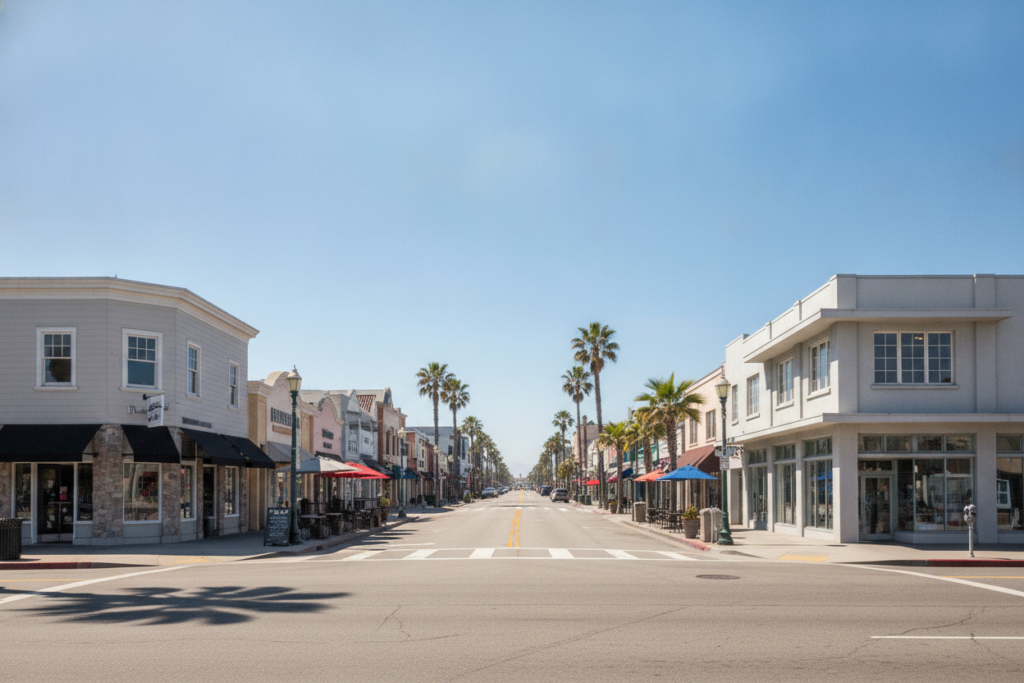
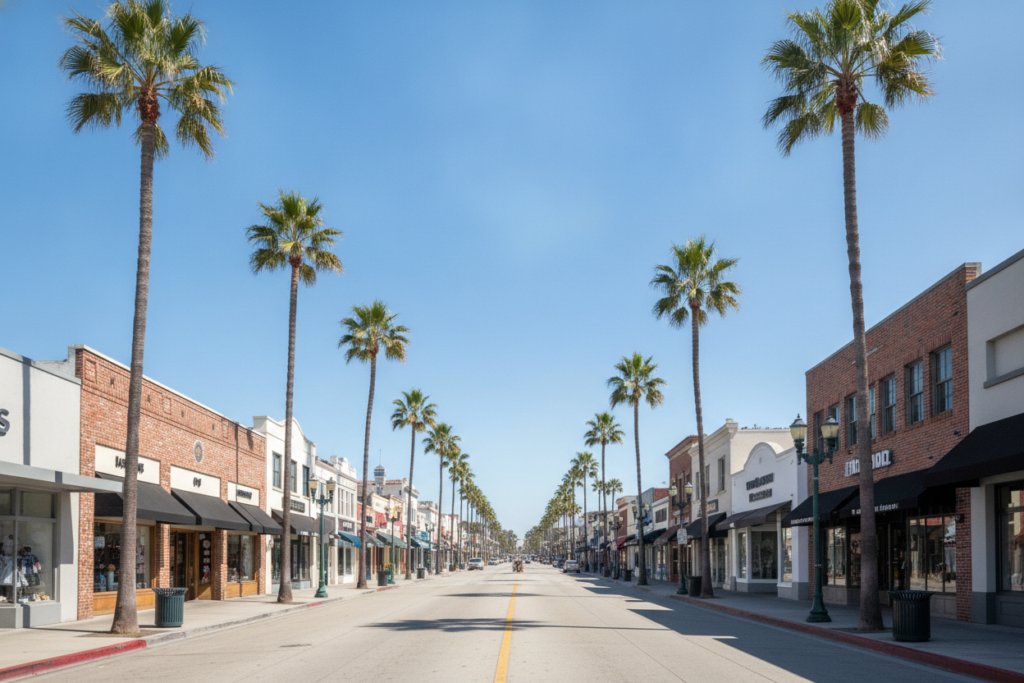
Huntington Beach neighborhoods compared typically fall into three zones. Downtown Huntington Beach sits closest to the coast and is the most walkable of the commonly compared areas. Huntington Harbour is a planned waterfront community with dock access and higher prices.
Inland neighborhoods offer lower price points and less HOA oversight.
Coastal areas mean shorter walks to restaurants, shops, and the beach. You also get more foot traffic, smaller lots, and higher property taxes per square foot. Harbor homes command a waterfront premium because of dock access and planned amenities.
Inland neighborhoods trade walkability for space, quieter streets, and lower total carrying costs.
Days on market varies by neighborhood and property type. A condo in Downtown Huntington Beach may sell faster than a single-family home inland. Escrow length, however, does not change by neighborhood. Across all areas, escrow closes in about 30 days or less after opening.
When you put Huntington Beach neighborhoods compared side by side on a map, the differences become clearer. The coastal strip runs roughly from the pier north toward Sunset Beach. Huntington Harbour sits at the northwest corner of the city, bordered by the Pacific Coast Highway and Bolsa Chica wetlands.
Inland areas spread east toward the 405 freeway corridor, where lot sizes grow and street noise drops.
Monthly carrying cost: the real comparison tool
Price alone does not tell the story when you compare Huntington Beach neighborhoods. A home in Huntington Harbour may carry higher property taxes, insurance, and dock fees than a similarly priced home inland. Only about 10 percent of Huntington Beach homes have HOA dues, mostly condos and townhomes in coastal zones.
Calculate your total monthly payment: mortgage principal and interest, property tax, homeowners insurance, and any HOA dues or special assessments. Huntington Harbour homes often include dock maintenance and community fees on top of that.
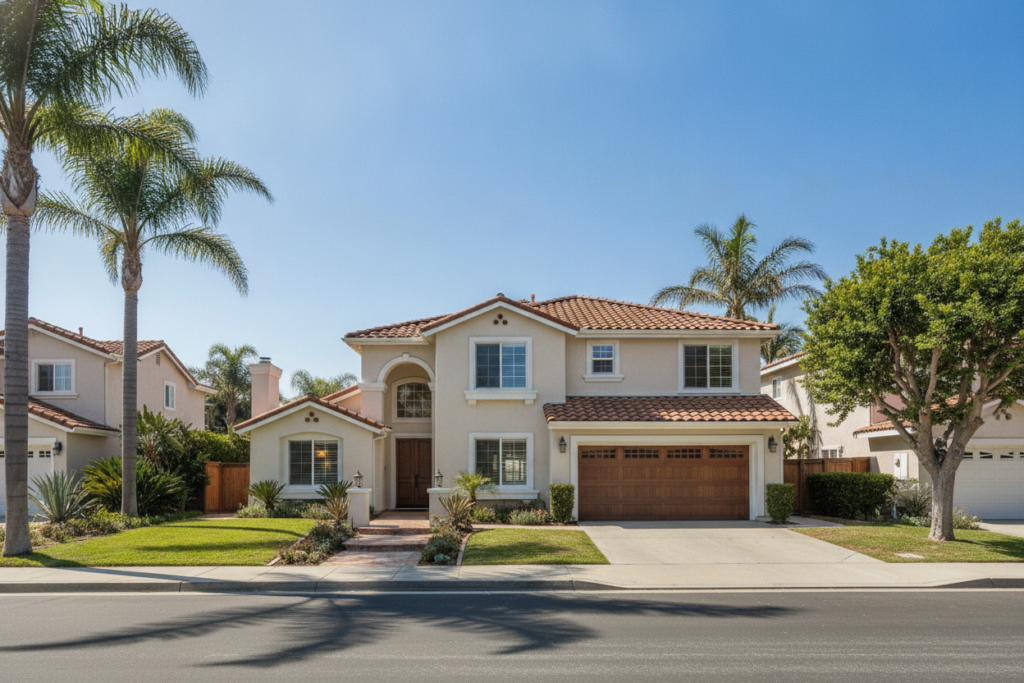
Inland single-family homes typically have no HOA but may require more exterior upkeep over time.
Waterfront homes in Huntington Harbour are priced at a premium versus comparable non-waterfront properties because of dock access and planned amenities. That premium is real, but so is the ongoing cost. Ask your lender and insurance agent for exact quotes before comparing neighborhoods side by side.
One practical exercise: build a simple spreadsheet with three columns, one per neighborhood you are considering. Row by row, enter mortgage payment, property tax estimate, insurance quote, HOA dues, and any dock or special assessment fees. The total at the bottom of each column is your true monthly cost.
Many out-of-town buyers are surprised to find that the Huntington Beach neighborhoods compared this way look very different from what the list price suggested.
"Gantry was so professional and helpful in dealing with an out of the country client. I live in Canada and so lucky to have found him. He helped me with everything I needed. I can’t say enough, with his ethics and experience things went so smoothly. Highly recommended!"
Hon P
Walkability and parking: how lifestyle shapes your choice
Downtown Huntington Beach is the most walkable of the commonly compared coastal areas. You can walk to coffee shops, restaurants, and the pier. Parking is tighter, and street parking is common on weekends when tourists arrive.
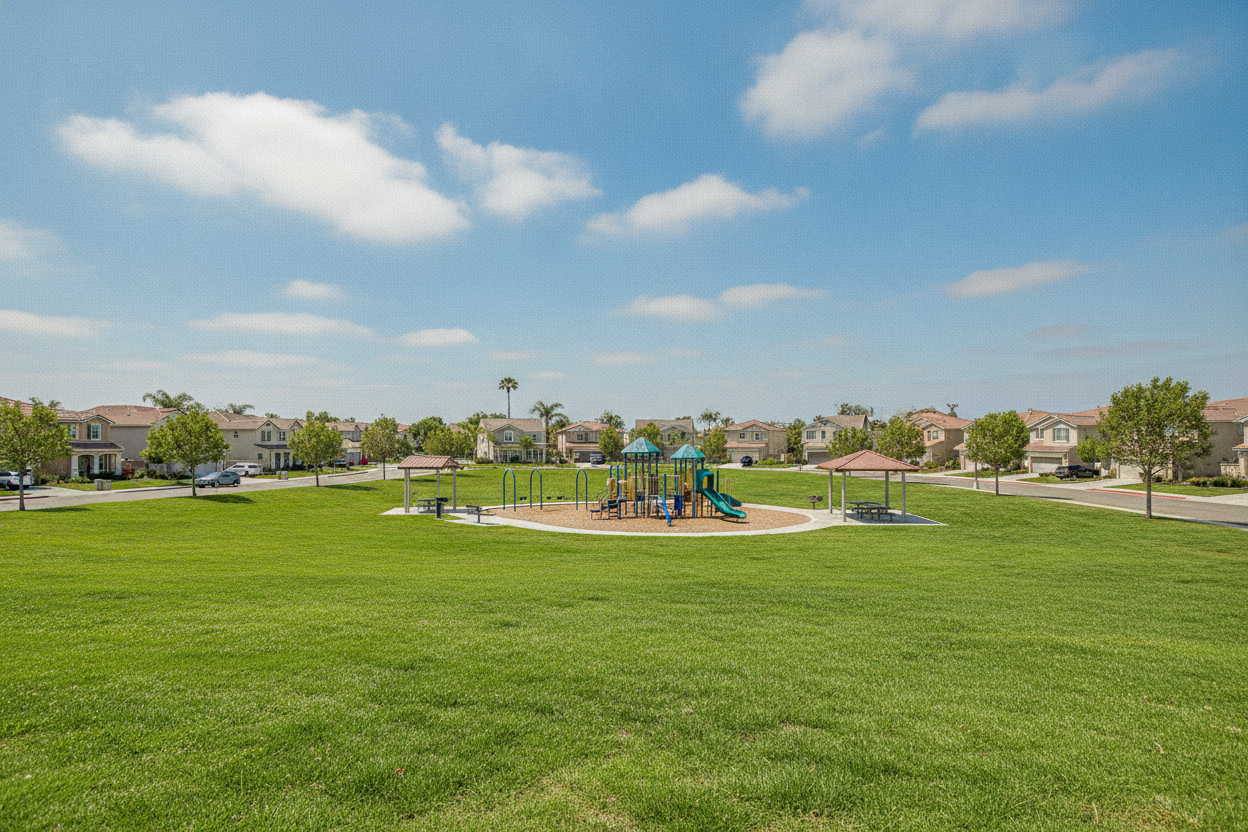
Seacliff is more car-oriented than Downtown Huntington Beach, with wider streets and dedicated parking. Huntington Harbour neighborhoods feel more suburban by comparison. You drive to most errands, parking is abundant, and the pace is quieter.
Inland areas are entirely car-dependent, which suits remote workers and buyers who do not commute daily. If you work from home and want walkable dining and retail, Downtown Huntington Beach fits best. If you prefer quiet streets and ample parking, Seacliff or inland neighborhoods work better.
Test your lifestyle fit before you make an offer. Spend a weekday morning and a Saturday afternoon in each area you are considering. Notice how long it takes to find parking, how loud the street is, and whether the nearby shops match your daily habits.
That firsthand read is something no amount of Huntington Beach neighborhoods compared online can fully replace.
HOA rules and upkeep: what to expect in each area
Only about 10 percent of Huntington Beach homes have HOA dues, mostly condos and townhomes. Downtown Huntington Beach and Huntington Harbour have higher HOA prevalence because of shared amenities and planned communities. Inland single-family homes rarely carry HOA fees.
HOA dues cover common area maintenance, landscaping, and sometimes insurance. In Huntington Harbour, dock fees and waterfront upkeep are separate line items. Read the CC&Rs (covenants, conditions, and restrictions) before you offer. Some HOAs restrict short-term rentals, exterior colors, or guest parking.
Single-family homes without HOA mean you handle all exterior upkeep: roof, siding, landscaping, and driveway. That flexibility appeals to many buyers, but it also means higher maintenance costs over time. Budget for a professional inspection to understand what you are inheriting.
When reviewing Huntington Beach neighborhoods compared by HOA burden, pay attention to reserve fund health, not just the monthly dues amount. A low monthly fee paired with an underfunded reserve can mean a large special assessment in your first year of ownership.
Request the HOA financials and reserve study as part of your due diligence. A local agent familiar with coastal Orange County HOAs can help you read those documents quickly.
"My friend recommended Gantry Wilson to sell my house. At the first interview I really was confident that he was the right person. He knew my situation and was very professional and understanding. I really like his whole team. I would really recommend Gantry Wilson if anyone is thinking of selling their house. My house was sold really fast. I also like his assistant and the escrow officer. I only have good things to say about Gantry Wilson and his team. Thank you for helping me."
Jain Thomas
Coastal and flood risk: what to check before you commit
Reviewing Huntington Beach neighborhoods compared by coastal risk requires careful attention. Downtown and Huntington Harbour sit closer to sea level and flood zones. Inland areas have lower flood risk but may sit in other hazard zones. Check the FEMA flood map and local coastal zone rules before you make an offer.
Coastal properties may require flood insurance, which adds to your monthly payment. Some lenders require it; others do not, depending on your exact location. Ask your lender and insurance agent to confirm flood zone status and insurance costs for any property you are serious about.
Seacliff and inland neighborhoods have lower coastal risk but may have other considerations like fire zones or earthquake risk. A professional home inspection and a title search will flag most issues. Do not skip this step when buying from out of town.
The Bolsa Chica wetlands adjacent to Huntington Harbour add ecological value but also mean some parcels carry additional coastal commission review requirements. If you are considering a property near the wetlands, ask your agent whether any planned improvements would trigger a coastal development permit.
That process can add time and cost to future renovation plans. Knowing this upfront keeps your Huntington Beach neighborhoods compared analysis grounded in real carrying costs, not just today’s purchase price.
Escrow and inspection timeline: what to expect
Escrow in Huntington Beach closes in about 30 days or less after opening, regardless of which neighborhood you choose. Days on market varies by neighborhood, but escrow length does not. That compressed timeline means you need to move fast on inspections and contingencies.
Plan for a professional home inspection within 7 to 10 days of opening escrow. Coastal and harbor homes may need additional inspections for foundation, roof, and waterproofing. Inland homes may need termite and structural reviews. Budget 1,500 to 3,000 dollars for inspections depending on property size and age.
Waterfront properties need extra scrutiny for salt-air corrosion on electrical panels, HVAC systems, and exterior finishes. Hire a local inspector who knows Huntington Beach. They will spot issues that out-of-town buyers miss, particularly in older harbor homes where deferred maintenance is common.
One more timing note: if you are buying a condo, request the HOA meeting minutes and any pending litigation disclosures at the same time you open escrow. Reviewing those documents takes a few days, and you want that time inside your contingency window, not after it closes.
Across all Huntington Beach neighborhoods compared in this guide, the 30-day escrow window is tight enough that parallel-tracking your due diligence tasks is the only way to stay on schedule.
Making your decision: a checklist for out-of-town buyers
Start by defining your lifestyle: do you want walkability or parking, waterfront access or space, low upkeep or flexibility? Putting Huntington Beach neighborhoods compared through this lens narrows your search fast. Downtown suits walkable living. Huntington Harbour suits waterfront buyers.
Inland suits buyers who want space and quiet.
Next, calculate total monthly cost for three neighborhoods you like. Include mortgage, tax, insurance, HOA, and any special fees. Compare apples to apples: a condo in Downtown Huntington Beach is not the same as a single-family home inland, even at the same list price.
Schedule a video tour with a local agent who knows Huntington Beach. Ask about days on market, recent inspection issues, and neighborhood quirks. Spend a day in each area if you can. Then make your offer knowing you have done the homework.
Finally, keep a written record of every number you gather during this process. Insurance quotes, HOA financials, inspection estimates, and flood zone determinations all feed into your final decision.
When you sit down to make an offer, you want to be able to point to a clear, documented reason for every assumption in your monthly cost calculation. That discipline is what separates buyers who feel confident at closing from those who feel uncertain.
The Huntington Beach neighborhoods compared framework in this guide gives you the structure; your local research fills in the numbers.
New to coastal Orange County
Get the honest read on Huntington Beach neighborhoods
A 15 minute call on the areas, the tradeoffs, and how to buy here on your timeline, even from out of state.
Schedule my Huntington Beach intro call
Prefer to talk now? Call or text 714-500-7797 · Serving coastal Orange County since 2004
Questions clients ask about Huntington Beach neighborhoods compared
What is the price difference between Downtown Huntington Beach and Huntington Harbour?
Huntington Harbour homes typically command a waterfront premium because of dock access and planned amenities. Exact price differences vary by property type and size. A comparable condo or single-family home in Huntington Harbour costs more than the same home inland or in Downtown Huntington Beach. Ask your agent for recent sales data in each area to see the current premium before you decide.
Do most Huntington Beach homes have HOA dues?
No. Only about 10 percent of Huntington Beach homes have HOA dues, mostly condos and townhomes in coastal areas. Most single-family homes, especially inland, have no HOA. When you put Huntington Beach neighborhoods compared side by side, Downtown and Huntington Harbour show higher HOA prevalence because of shared amenities. Always read the CC&Rs and check the reserve fund before you offer.
How long does escrow take in Huntington Beach?
Escrow closes in about 30 days or less after opening, regardless of neighborhood. Days on market varies by area and property type, but escrow length does not. Plan your timeline around inspections and contingencies. A coastal condo and an inland single-family home close on the same schedule, so line up your inspector and insurance quotes before you open escrow.
Which Huntington Beach neighborhood is best for remote workers?
Downtown Huntington Beach offers walkable dining and retail if you want to leave your home during the day. Huntington Harbour and inland neighborhoods are quieter and more car-dependent. For remote workers, the Huntington Beach neighborhoods compared by lifestyle fit matter more than commute time. Choose by walkability preference, noise tolerance, and whether waterfront access or indoor space matters more to you.
What inspection issues should I expect in coastal versus inland Huntington Beach neighborhoods?
Coastal and harbor homes need extra scrutiny for foundation, roof, waterproofing, and salt-air damage on electrical and HVAC systems. Inland homes focus on termite, structural, and electrical issues. Hire a local inspector familiar with Huntington Beach. Budget 1,500 to 3,000 dollars. Do not skip this step when buying from out of town, especially in waterfront neighborhoods where deferred maintenance is common.
What to do right now
You now have the framework to compare Huntington Beach neighborhoods with confidence. Define your lifestyle, calculate total monthly cost, and schedule a video tour with a local agent. Spend a day in each area if you can. Then make your offer knowing you have done the homework. The next step is a 15-minute call to discuss your specific situation and timeline.
The next step
Ready to talk through your Huntington Beach move?
Tell me where you are in the process and I will map out your options, your numbers, and your timing. 15 minutes, zero pressure.
Schedule my free 15 minute call
Prefer to talk now? Call or text 714-500-7797 · Serving coastal Orange County since 2004
Know what Huntington Beach homes are really selling for
One short email each week: new listings, closed sales, and where prices are heading. Free, and easy to leave anytime.
Gantry Wilson · Gantry Wilson Group · Real Brokerage · Huntington Beach, CA · DRE# 01412779
Trusted. Local. Proven.