
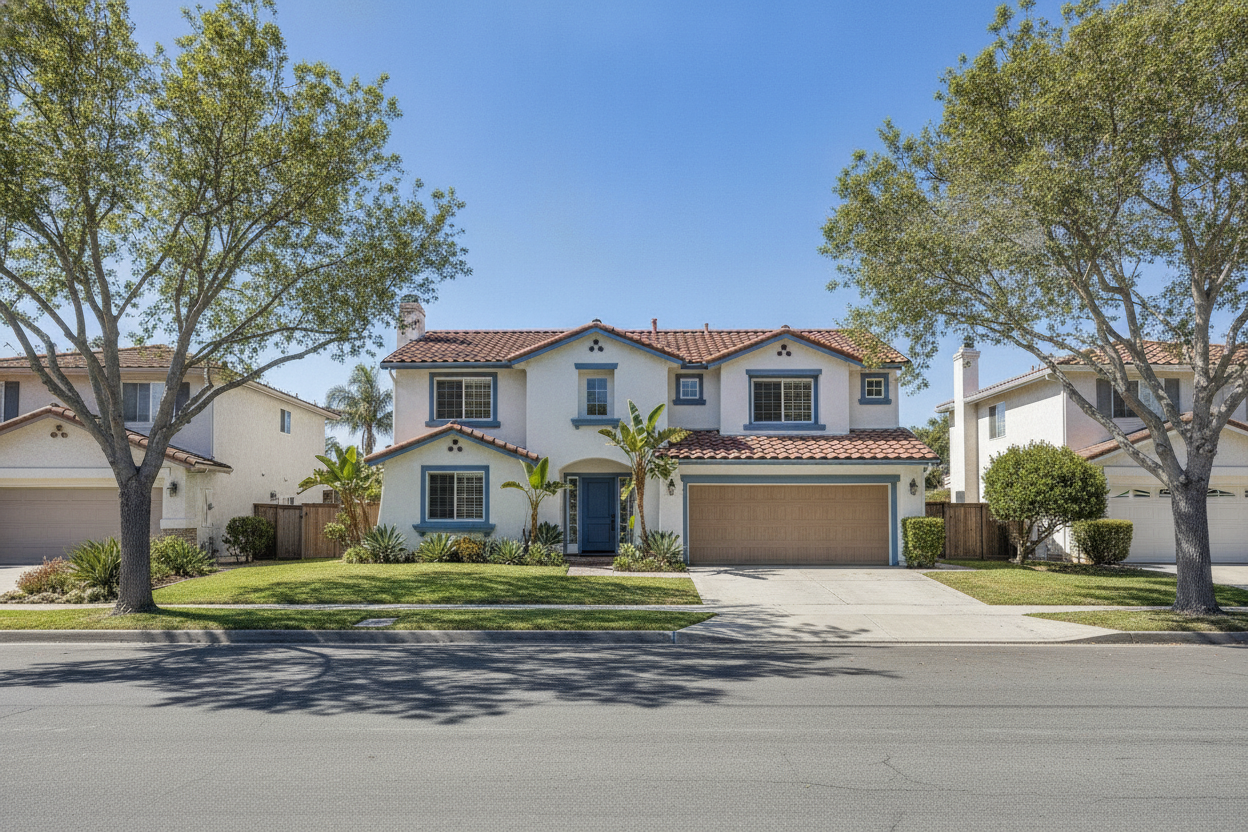
Selling a Huntington Beach Home in a Living Trust: A Plain-English Broker Breakdown
Quick answer
Selling a Huntington Beach home in a living trust means the trustee signs every document, including the listing agreement, purchase contract, and grant deed. The trustee must sign in their trustee capacity, not personally. Escrow will ask for a trust certification and photo ID. Detached single-family homes in Huntington Beach had a median sale price of $1,649,500 on 226 closed sales, 90 days ending September 30, 2026, per CRMLS.
- The trustee signs all documents, not the beneficiary or a family member acting informally.
- Sign in trustee capacity: ‘Jane Smith, Trustee of the Smith Family Trust dated January 1, 2005.’
- Escrow will request a trust certification, a copy of relevant trust pages, and trustee ID.
- A successor trustee needs additional documents before escrow can open; gather them early.
Last verified: October 2026 · Sources: Huntington Beach City Planning Department
You have owned your Huntington Beach home for decades. At some point you placed it in a living trust, which was the right move. Now you are thinking about selling, and a real question has come up: who actually signs the paperwork? The answer is the trustee, and the way they sign matters as much as who they are.
This guide walks through exactly what escrow and the title company will need, how co-trustees and successor trustees fit in, and why sorting this out before you list saves time in a market where detached homes are selling in about 19 days on market.
Gantry Wilson has served Huntington Beach and Orange County since 2004 and has personally sold more than 300 homes here.
Selling a Huntington Beach home in a living trust: who has authority to sign
When a home is held in a living trust, the trust owns the property, not you personally. That distinction controls everything about who can sign the listing agreement, the purchase contract, and the grant deed.
The trustee is the person with legal authority to act on behalf of the trust. In most revocable living trusts, the original owner is also the trustee, so nothing feels different day to day. The authority becomes visible only when it is time to sign a legal document.
A beneficiary has no signing authority over trust-owned real estate. Even if you are the sole beneficiary and the person who created the trust, you cannot sign as an individual seller. You sign as trustee.
This distinction is not a technicality. Title companies and escrow officers are required to confirm that the person signing has legal authority before they will insure the transaction or record a new deed. Getting this right at the start keeps the sale on track.
The good news is that most Huntington Beach sellers who hold property in a trust are already the trustee. The paperwork adjustment is straightforward once you know the correct form.
How the trustee must sign every document
Signing in your trustee capacity means more than just adding a title after your name. The exact form matters because it must match the vesting shown on the title record.
A correct trustee signature looks like this: Jane Smith, Trustee of the Smith Family Trust dated January 1, 2005. The trust name and the date of the trust document both appear. If the title record shows a slightly different name or date, the signature must match the record, not your memory of the trust name.
Every document in the transaction uses this form. That includes the listing agreement, the purchase contract and all addenda, escrow instructions, and the grant deed that transfers title to the buyer.
A notary will witness the grant deed signature and confirm your identity. Bring a government-issued photo ID that matches the name on the trust documents. A mismatch between your ID and the trust record is one of the most common causes of a last-minute delay.
If you are unsure how your name appears on the current title record, ask your agent to pull a preliminary title report before you list. That report shows the exact vesting language and catches any discrepancy while there is still time to fix it.
"I am grateful for everything Gantry did for me in the sale of my house. He walked me through the process and helped me get top dollar. He was very quick to respond every time I had an issue or question. I appreciate his knowledge and professionalism. I would definitely recommend Gantry to anyone who is buying or selling a home."
Steven French
What happens when the trust names more than one trustee
Many couples create a trust that names both spouses as co-trustees. When both are living and able to act, both must typically sign every document unless the trust document explicitly allows either trustee to act alone.
Read the trust document carefully, or have an attorney read it. The language will say whether co-trustees must act jointly or whether one can act independently. Escrow will ask the same question and will want to see the relevant pages.
If both co-trustees must sign, both must be available throughout the transaction. That means both sign the listing agreement, both sign the purchase contract, and both appear at the notary for the grant deed. Plan for this from the start.
A co-trustee who is traveling, ill, or otherwise unavailable can create a real problem. A durable power of attorney may allow another person to sign in their place, but the title company must approve that arrangement before escrow opens, not after an offer arrives.
Coordinate early. If you know one co-trustee will be out of the country during a likely closing window, talk to your agent and the title company before you list. Solutions exist, but they take a few days to put in place.
Successor trustees: what escrow needs before it can open
A successor trustee steps in when the original trustee has died or become incapacitated. This is exactly the situation a living trust is designed to handle, but it requires more documentation than a standard trustee sale.
Escrow and the title company will want to see proof that the successor trustee has the legal authority to act.
That proof typically includes a copy of the trust document showing the successor trustee provision, a death certificate or physician’s declaration of incapacity for the original trustee, and a trust certification signed by the successor trustee.
A trust certification is a shorter document, usually two to four pages, that summarizes the key trust terms without revealing the full trust to third parties. California law allows a trustee to provide this certification in place of the full trust agreement in most real estate transactions.
Gather these documents before you call an agent. Successor trustee situations are not unusual, but they do take a few extra days to verify. Starting the paperwork process early keeps the sale timeline intact.
If any of these documents are missing or the trust language is ambiguous, a probate or estate attorney can help clarify the record. That conversation is worth having before you list, not during escrow.
"Gantry was so professional and helpful in dealing with an out of the country client. I live in Canada and so lucky to have found him. He helped me with everything I needed. I can’t say enough, with his ethics and experience things went so smoothly. Highly recommended!"
Hon P
What escrow and the title company will request
Every escrow officer handling a trust sale will ask for a standard set of documents. Knowing the list in advance means you are not scrambling after an offer arrives.
The core items are: a trust certification or the relevant pages of the trust agreement, a copy of any amendments to the trust, government-issued photo ID for each trustee, and confirmation that the trust is still revocable or, if irrevocable, that the trustee has authority to sell.
The title company will run a title search and compare the vesting on record to the trust documents you provide. If the property was transferred into the trust years ago and the deed was recorded correctly, this step is usually quick.
If the deed was never updated to reflect the trust, that gap must be corrected before closing.
A preliminary title report, ordered before you list, surfaces these issues early. Correcting a vesting defect typically takes one to two weeks and involves recording a new deed. That is manageable when you find it before an offer, and stressful when you find it during escrow.
Per a local Huntington Beach source, escrow typically closes in about 30 days or less after opening. That timeline assumes the paperwork is clean. A vesting defect or missing trust document can add days or weeks. The fix is simple: do the title review first.
The local market context: why timing your paperwork matters
Selling a Huntington Beach home in a living trust goes most smoothly when the documentation is ready before an offer lands. Detached single-family homes in Huntington Beach had a median sale price of $1,649,500 on 226 closed sales for the 90 days ending September 30, 2026, per CRMLS.
The median was $846 per square foot, and homes sold at 98.5 percent of original list price on average.
Detached homes in Huntington Beach spent a median of 19 days on market for the 90 days ending September 30, 2026, per CRMLS. That is a fast market. Buyers who make offers expect clean transactions, and a trust documentation problem discovered mid-escrow can give a buyer a reason to renegotiate or walk.
Inventory was approximately 1.1 months of supply for Huntington Beach detached homes in August 2026. That is a tight market. Sellers who are prepared move through escrow without drama. Sellers who discover paperwork problems after an offer is signed lose negotiating leverage.
Orange County had about 4,874 active single-family listings in August 2026. Competition among sellers is real. A clean, well-documented trust sale is a smoother transaction for everyone, and buyers and their agents notice.
The practical takeaway is this: get the title review and trust documentation in order before you list. Pulling a preliminary report costs nothing. Skipping it can cost you time, money, and a deal. For more on pricing strategy before you list, visit viewochouses.com.
Power of attorney: when it works and when it does not
A durable power of attorney can allow one person to sign real estate documents on behalf of a trustee who is unavailable. This is not the same as a trust certification, and it is not automatically accepted by every title company.
The title company must review and approve the power of attorney before it will insure the transaction. Some title companies require the power of attorney to be recorded. Others require it to meet specific California statutory language. Ask before you assume it will work.
A power of attorney does not replace trustee authority. It delegates the trustee’s signing power to an agent. The trustee must still have legal authority to act, and the power of attorney must be valid, current, and properly executed.
If the trustee is incapacitated rather than simply unavailable, a power of attorney may not be sufficient. A court-appointed conservator or a successor trustee provision in the trust document may be required instead. An estate attorney can clarify which path applies.
The clearest path is always to have the trustee sign directly. Use a power of attorney only when there is a genuine reason the trustee cannot sign, and get title company approval before you open escrow.
Prop 19, capital gains, and what to confirm with a professional
Selling a Huntington Beach home in a living trust can raise questions about Proposition 19, capital gains treatment, and how proceeds are distributed to beneficiaries. These are real considerations for longtime Huntington Beach homeowners with significant equity.
Proposition 19 changed the rules for transferring a low property tax base between parent and child. If you are selling a trust-held home and a family member is involved in the next purchase, the timing and structure of that transaction matters for your property tax bill.
Confirm the specifics with your CPA or tax advisor before you sign anything.
Capital gains on a home held in a revocable living trust are generally treated the same as if you owned the home directly, because the IRS treats a revocable trust as a grantor trust. The details depend on your specific situation. Confirm with your CPA or tax advisor.
A 1031 exchange is sometimes considered by sellers who want to defer capital gains by purchasing investment property. Whether a trust-held property qualifies and how the exchange must be structured are questions for a qualified intermediary and your tax advisor, not your real estate agent.
The equity in a Huntington Beach home at today’s prices is significant. The 12-month median for detached single-family homes in Huntington Beach was $1,600,000 on 836 closed sales, 12 months ending September 30, 2026, per CRMLS. Getting the tax and trust structure right before you sell protects that equity.
For related reading on the financial side of a coastal sale, see Selling My Huntington Beach Condo Before Buying: Your Questions, Answered Plainly.
For longtime Huntington Beach homeowners
What is your Huntington Beach home actually worth today?
Get a data-backed home value review from a broker who has sold here since 2004. Not an online estimate, no pressure, and no obligation.
Prefer to talk now? Call or text 714-500-7797 · Serving coastal Orange County since 2004
Questions clients ask about selling a Huntington Beach home in a living trust
Does the beneficiary of a living trust have any authority to sign real estate documents?
No. The beneficiary has no signing authority over trust-owned real estate. Only the trustee can sign the listing agreement, purchase contract, and grant deed. Even if you are the sole beneficiary and the person who created the trust, you must sign in your capacity as trustee, not as an individual. Escrow and the title company will verify this before they accept any signed document. If you are unsure of your role under the trust, review the trust document or ask an estate attorney.
What is a trust certification and why does escrow ask for it?
A trust certification is a short document, usually two to four pages, that confirms the trust exists, names the trustee, and states that the trustee has authority to sell real property. California law allows a trustee to provide this certification instead of the full trust agreement in most real estate transactions. Escrow and the title company use it to confirm signing authority without requiring you to disclose the full contents of your trust. Have it prepared before you open escrow to avoid delays.
What if the trust document was never recorded or the deed was never updated to show the trust?
This is a common issue and it is fixable, but it takes time. If the deed still shows your name individually rather than the trust as owner, a new deed must be prepared and recorded before the sale can close. A title company will catch this during the preliminary title report. The correction typically takes one to two weeks. Pull the preliminary report before you list, not after an offer arrives. An estate attorney or title officer can prepare the corrective deed.
Can a successor trustee sell the home without going through probate?
Yes, that is one of the main reasons people create a living trust. A properly funded trust with a clear successor trustee provision allows the successor to sell the home without a probate court proceeding. The successor trustee will need to provide a death certificate or physician’s declaration for the original trustee, the relevant trust pages, and a trust certification. Escrow and the title company will review these documents before opening. Gather them early so the sale timeline is not affected.
Will selling a home held in a living trust affect my taxes or Prop 19 benefits?
It can, depending on your situation. A revocable living trust is generally treated as a grantor trust for federal income tax purposes, so capital gains treatment is typically the same as if you owned the home directly. Proposition 19 changed parent-to-child transfer rules, and the timing of a trust sale relative to a family member’s purchase can affect property tax outcomes. These are fact-specific questions. Confirm the details with your CPA or tax advisor before you sign a listing agreement or purchase contract.
How does a trust sale affect the Huntington Beach escrow timeline?
A clean trust sale with all documents in order does not add time to escrow. Huntington Beach escrow typically closes in about 30 days or less after opening. What adds time is discovering a problem after an offer is accepted, such as a vesting defect, a missing trust certification, or an unavailable co-trustee. The fix is to do the title review and gather trust documents before you list. That preparation costs nothing and keeps the closing timeline intact when an offer arrives.
What to do right now
The paperwork for selling a Huntington Beach home in a living trust is straightforward once you know what is needed. The trustee signs every document in their trustee capacity. Escrow needs a trust certification, the relevant trust pages, and photo ID. A preliminary title report before you list catches any vesting problems while there is still time to fix them without pressure. The Huntington Beach detached market is moving at a median of 19 days on market, and escrow closes in about 30 days or less. That pace rewards sellers who are prepared. If you want to know what your home is worth before you decide anything, the next step is a free home value review. Gantry Wilson has served Huntington Beach and Orange County since 2004 and has personally sold more than 300 homes here. Get a free home value review at https://search.viewochouses.com/seller or call or text Gantry at 714-500-7797. Want this kind of read on your part of the market every week? Get the weekly Market Update here: https://blog.viewochouses.com/market-update/
The next step
Ready to talk through your Huntington Beach move?
Tell me where you are in the process and I will map out your options, your numbers, and your timing. 15 minutes, zero pressure.
Schedule my free 15 minute call
Prefer to talk now? Call or text 714-500-7797 · Serving coastal Orange County since 2004
Know what Huntington Beach homes are really selling for
One short email each week: new listings, closed sales, and where prices are heading. Free, and easy to leave anytime.
Gantry Wilson · Gantry Wilson Group · Real Brokerage · Huntington Beach, CA · DRE# 01412779
Trusted. Local. Proven.