Huntington Beach Tracts: Avoid Costly Trade-Up Mistakes
Quick answer
Huntington Beach tracts split into two main zones: inland classics in ZIP 92646 and 92647 with standard lots and minimal HOA, and waterfront-adjacent areas like Seacliff and Huntington Harbour with higher price tags. About 10 percent of Huntington Beach homes carry HOA fees, mostly condos and townhomes. Detached single-family tracts dominate the inland areas, offering the lot size and layout flexibility move-up buyers want. Escrow closes in roughly 30 days once opened, so timing your sale and purchase matters.
- Inland tracts (92646, 92647) offer detached homes on standard lots with low or no HOA
- Only about 10% of Huntington Beach homes have HOA fees; most are condos or townhomes
- Escrow typically closes in 30 days or less after opening
- South and north tracts differ in price and lot size; compare specific boundaries before deciding
Last verified: August 2026 · Sources: View OC Houses: Compare Huntington Beach Neighborhoods
Huntington Beach tracts come in two flavors: inland classics and waterfront-adjacent planned communities.
We have served Huntington Beach and Orange County since 2004, and we see move-up buyers make the same mistake over and over: they chase beach proximity and ignore lot utility, HOA burden, and resale flexibility.
This guide ranks the tracts that matter for your budget and timeline, so you can sell and buy without owning two homes at once.
The two zones of Huntington Beach tracts
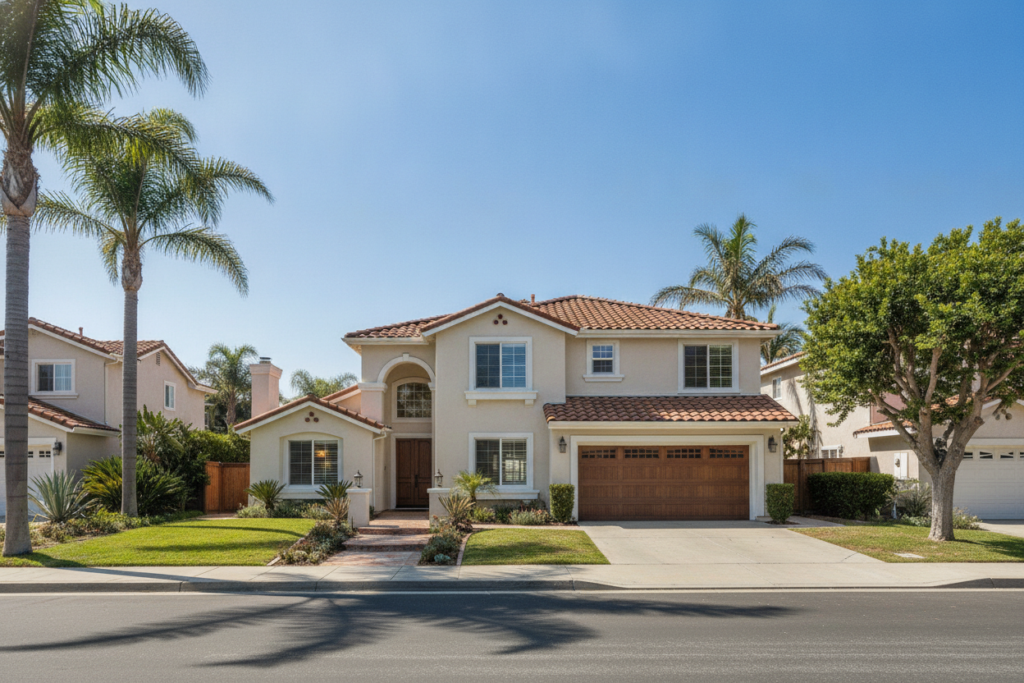
Huntington Beach tracts fall into four broad neighborhoods: Huntington Harbour, Seacliff, Downtown, and inland. For move-up buyers, the inland tracts matter most. These are the classic Orange County subdivisions, mostly single-family houses on standard lots, spread across ZIPs 92646 and 92647.
They are not beachfront, but they are close enough for daily convenience and far enough inland to keep prices real.
The waterfront-adjacent zones, Huntington Harbour and Seacliff, command premium pricing. If your budget is 1.7M to 3M, you can find a solid detached home in the inland tracts with room to grow, or a smaller footprint near the water.
The choice depends on whether you are buying for lot size or location prestige.
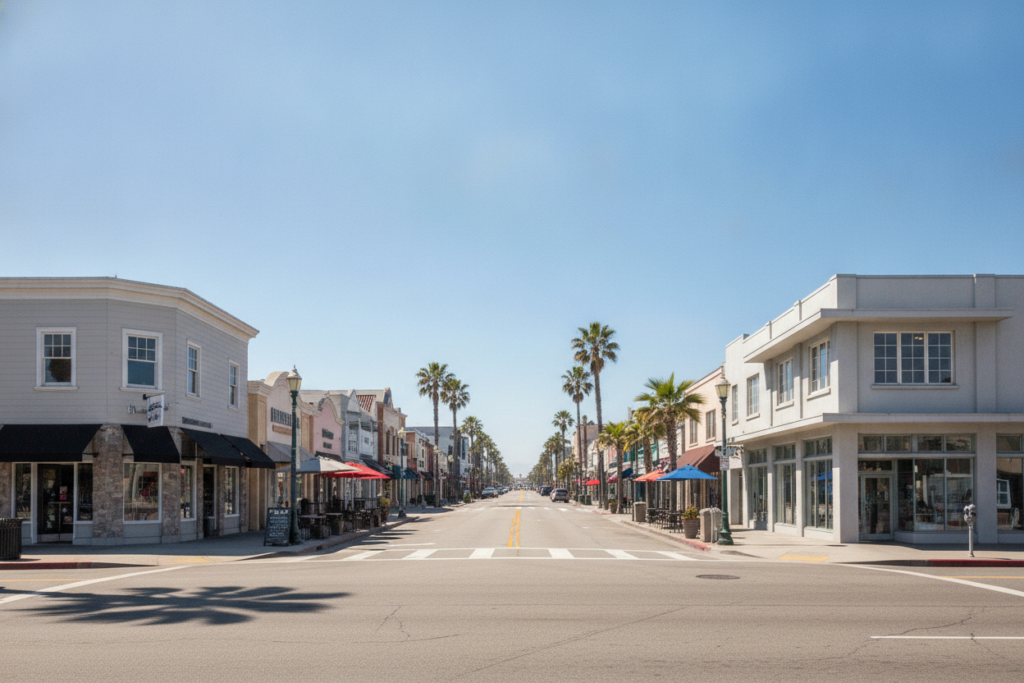
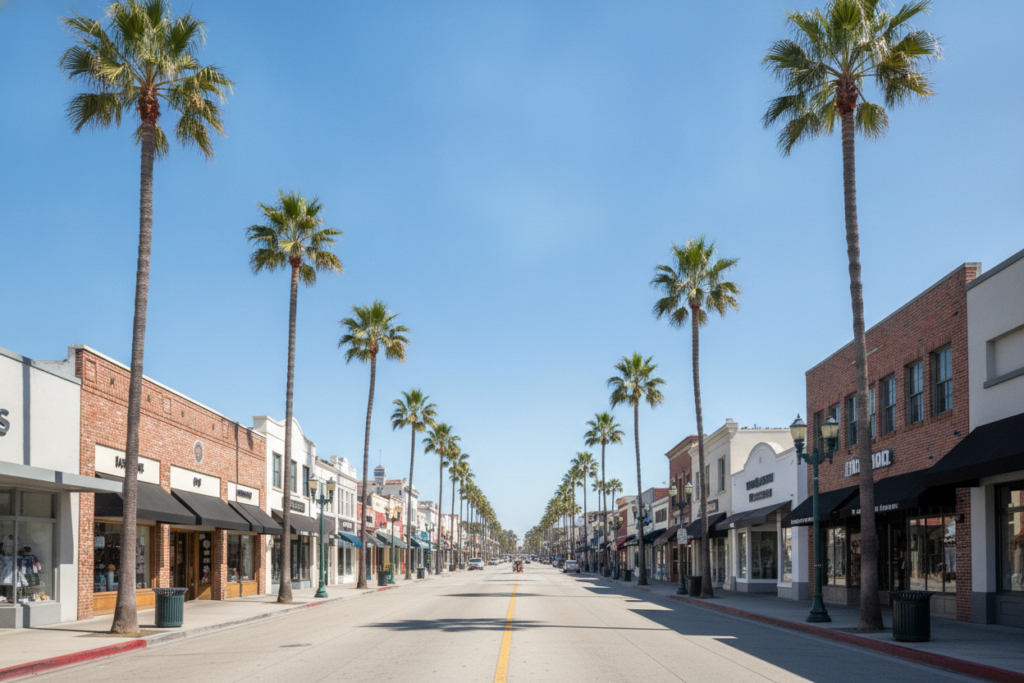
Downtown Huntington Beach sits between these zones. It is walkable, mixed-use, and includes a mix of smaller homes and newer construction. For move-up buyers looking for a detached home with a yard, the inland tracts and Seacliff edges offer more traditional single-family layouts.
The inland areas give you the most flexibility for resale because they appeal to a wider buyer pool.
Inland tracts: where most move-up buyers land
The inland Huntington Beach tracts in ZIP 92646 and 92647 are where the volume is. These neighborhoods were built between the 1960s and 1990s, and they are full of detached homes on standard lots. Goldenwest Estates II and Seahaven are active detached-home markets in this zone.
You will find wider streets, mature trees, and room for a two-car garage plus a driveway.
HOA is rarely a burden here. Only about 10 percent of Huntington Beach homes carry HOA fees, and most of those are condos and townhomes. The inland tracts are almost entirely detached, so you are buying a home, not a membership. This matters for resale.
When you trade up again in five to ten years, you will not have to explain HOA restrictions or special assessments to the next buyer.
Lot size is the real advantage. Inland tracts give you room for a pool, a guest house, or just a backyard that feels private. Lot sizes vary by tract, so confirm the specifics on the listing.
If you want yard space for pets, a pool, or an ADU, the inland tracts win on every measure.
"Gantry put us first, letting us lead the house hunting journey. Great knowledge of the industry’s ins and outs. His word is gold"
Shawn Ferguson
Seacliff and Huntington Harbour: premium pricing, smaller lots
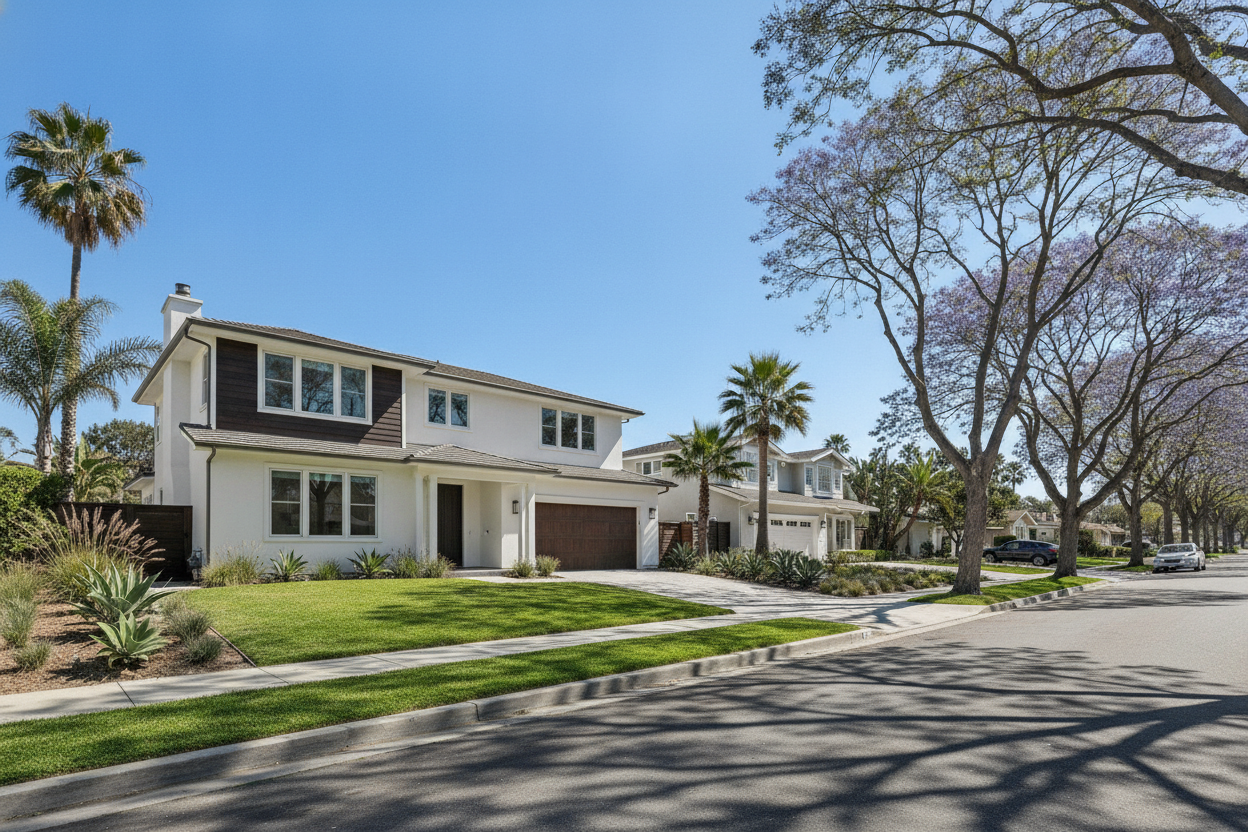
Seacliff and Huntington Harbour are the prestige zones. Homes here sit closer to the coast, and you pay for it. Within these Huntington Beach tracts, prices command meaningful premiums over inland equivalents.
The tradeoff is lot size. Seacliff and Huntington Harbour homes often sit on smaller lots than their inland counterparts. You get the address and the coastal proximity, but you lose the yard space. For move-up buyers, this can feel like a step backward in utility, even if the price tag is higher.
If you need yard space to play in or want a pool, the premium may not justify the smaller footprint.
Resale demand is strong in these tracts, but it is narrower. Buyers who want Seacliff or Huntington Harbour are willing to pay for the name and location. If you ever need to sell quickly, you might face fewer interested parties than you would in an inland tract.
The premium zones appeal to a specific buyer profile: coastal lifestyle seekers with high budgets and flexibility on yard space.
South versus north: price, inventory, and lot patterns
South Huntington Beach (ZIP 92646) and north Huntington Beach (ZIP 92647) have different feels. South tracts like Goldenwest Estates II and Seahaven tend to be slightly older, with slightly larger lots and slightly lower prices.
North tracts, closer to the Bolsa Chica wetlands, have newer construction and smaller lots in some areas, but they are also closer to Fountain Valley and the 405 freeway.
Inventory moves differently in each zone. South Huntington Beach tracts see steady demand from buyers upgrading from condos or smaller homes. North tracts attract buyers who want newer construction.
If you are selling a home in the south and buying in the north, you might find more competition for north inventory, which could push your timeline or your budget.
Price per square foot varies between south and north depending on the specific tract and year built. South tracts offer more established neighborhoods and mature landscaping. North tracts offer newer homes and sometimes HOA-managed common areas.
For move-up buyers, the south is often the more predictable choice if you want to avoid surprises and maximize lot size.
"I am grateful for everything Gantry did for me in the sale of my house. He walked me through the process and helped me get top dollar. He was very quick to respond every time I had an issue or question. I appreciate his knowledge and professionalism. I would definitely recommend Gantry to anyone who is buying or selling a home."
Steven French
HOA, Mello-Roos, and what they mean for your budget
Most Huntington Beach tracts have no HOA. The roughly 10 percent that do are mostly condos and townhomes, not detached single-family homes. If you are looking at a detached home in an inland tract, HOA is unlikely to be a factor.
Some newer planned communities do carry HOA fees, so always ask before you make an offer.
Mello-Roos is different from HOA. It is a special tax district that funds infrastructure in newer developments. Some Huntington Beach tracts still carry Mello-Roos assessments. These appear on your property tax bill, not as a separate HOA invoice.
When you are comparing two homes in different tracts, factor in both HOA and Mello-Roos. A home that looks cheaper on the listing price might cost more once you add annual fees. Ask your real estate agent for a full breakdown before you commit.
This is especially important if you are trading up and want to lock in your total carrying costs. If Prop 19 or capital gains treatment affects your move, confirm the details with your CPA or tax advisor.
Timing your sale and purchase: the 30-day escrow reality
Escrow in Huntington Beach closes in about 30 days or less after opening. This is consistent across all Huntington Beach tracts and neighborhoods. Days on market varies widely, though. A home in a hot inland tract might sell in 10 days. A home in a premium zone might sit for 45 days.
The escrow timeline does not change; the time to get an offer does.
For move-up buyers, this matters a great deal. If you are selling your current home and buying a new one, you need to coordinate the timelines carefully. Ideally, your sale closes just before or at the same time as your purchase. This avoids the costly mistake of owning two homes at once.
Selling too early means carrying two mortgages; selling too late means risking the home you want to buy.
The solution is a sell-and-buy strategy. You list your current home, and once you have an offer, you start shopping for your next home in the right Huntington Beach tract. You make your offer contingent on your sale closing, or you bridge the gap with a short-term loan.
Either way, you need a plan before you list. A coordinated approach saves you tens of thousands of dollars and months of stress.
Resale flexibility: which tracts hold value and attract buyers
Resale demand is strongest in inland Huntington Beach tracts with detached homes, standard lots, and no HOA. These homes appeal to the widest range of buyers: buyers upgrading, downsizers looking for a smaller footprint, and investors.
When you eventually trade up or downsize, you will not struggle to find a buyer.
Premium tracts like Seacliff and Huntington Harbour have strong resale demand too, but it is narrower. You are selling to buyers who specifically want that location and are willing to pay for it. If the market softens or interest rates spike, you might face longer days on market.
Inland tracts are more resilient because they appeal to more buyer profiles and price points.
Lot size and layout matter for resale. A home in a Huntington Beach tract with a larger lot, a pool, and a guest house will attract more buyers than an identical home with a smaller yard. When you are choosing where to trade up, think about the next buyer.
Pick a tract and a home that will be easy to sell when you are ready to move again.
Your next move: picking a tract and timing your trade-up
Start by defining your budget and your lot-size priority. If you are selling a home worth 900K to 1.4M and buying in the 1.7M to 3M range, you have options across multiple Huntington Beach tracts. Inland tracts in the 1.7M to 2.3M range offer the most lot size and flexibility.
Premium zones in the 2.3M to 3M range offer location and prestige but smaller footprints.
Next, walk the tracts you are considering. Drive the streets, look at lot sizes, check for mature trees and wide sidewalks. Visit on a weekday and a weekend. Talk to neighbors. This is where you will feel the difference between a tract that is right for you and one that just looks good in photos.
Character varies even within the same ZIP code across Huntington Beach tracts.
Finally, work with an agent who knows the local market and can help you time your sale and purchase. You do not want to list your current home without a plan for where you are going next. You also do not want to fall in love with a home in a new tract and then scramble to sell your old one.
A coordinated strategy keeps you from owning two homes and saves you money on carrying costs and stress.
Selling and buying at the same time
Map out your sell-and-buy move before you list
One call covers your net proceeds, your next payment, and how to bridge both sides without owning two homes or none.
Book my sell-and-buy strategy call
Prefer to talk now? Call or text 714-500-7797 · Serving coastal Orange County since 2004
Questions clients ask about Huntington Beach tracts
Do most Huntington Beach tracts have HOA fees?
No. Only about 10 percent of Huntington Beach homes have HOA fees, and most of those are condos and townhomes. Detached single-family homes in inland Huntington Beach tracts rarely carry HOA. Always ask before you make an offer, and factor in Mello-Roos assessments if the home was built in a newer planned community.
Which Huntington Beach tracts have the biggest lots?
Inland tracts in ZIP 92646 and 92647, including Goldenwest Estates II and Seahaven, tend to offer larger lots than the waterfront-adjacent tracts. Lot sizes vary by tract, so confirm the specifics on the listing. If lot size is your priority, the inland Huntington Beach tracts are your best bet for space and resale flexibility.
How long does escrow take in Huntington Beach?
Escrow in Huntington Beach closes in about 30 days or less after opening, regardless of which tract you are buying in. Days on market varies by neighborhood and market conditions, but the escrow timeline is consistent. Plan your sale and purchase around this 30-day window to avoid owning two homes at once.
Are south or north Huntington Beach tracts better for resale?
Both have strong resale demand. South tracts (92646) tend to have larger lots and slightly lower prices, while north tracts (92647) offer newer construction. For resale flexibility, inland Huntington Beach tracts in either zone outperform premium waterfront areas because they appeal to a wider buyer pool.
Should I buy in an inland tract or pay more for Seacliff or Huntington Harbour?
It depends on your priorities. Inland Huntington Beach tracts offer more lot size, lower prices, and easier resale. Seacliff and Huntington Harbour offer coastal proximity and prestige but smaller lots and narrower buyer appeal. For move-up buyers, inland tracts often provide better value and flexibility over a 5 to 10 year hold.
What to do right now
You are ready to trade up. Start by walking the Huntington Beach tracts that fit your budget and lot-size needs. Compare inland versus premium zones, and think about resale flexibility, not just today’s lifestyle. Then coordinate your sale and purchase so you do not own two homes at once. A clear timeline and a local agent who knows the market will save you tens of thousands of dollars and months of stress.
The next step
Ready to talk through your Huntington Beach move?
Tell me where you are in the process and I will map out your options, your numbers, and your timing. 15 minutes, zero pressure.
Schedule my free 15 minute call
Prefer to talk now? Call or text 714-500-7797 · Serving coastal Orange County since 2004
Know what Huntington Beach homes are really selling for
One short email each week: new listings, closed sales, and where prices are heading. Free, and easy to leave anytime.
Gantry Wilson · Gantry Wilson Group · Real Brokerage · Huntington Beach, CA · DRE# 01412779
Trusted. Local. Proven.