Buying a Second Home with Family: A Straight Answer for Local Owners
Quick answer
Buying a second home with family in Huntington Beach is workable, but structure comes before the property search. The detached single-family median is $1,649,500 (226 closed sales, 90 days ending 2026-09-30, CRMLS). At 7.40% on a jumbo loan, a written co-ownership agreement, clear expense splits, and a chosen title structure such as tenancy in common or a trust are the foundation. Detached homes here average 19 days on market and escrow closes in about 30 days.
- The Huntington Beach detached single-family median is $1,649,500 (CRMLS, 2026-09-30), with Huntington Harbour waterfront homes at about $4,000,000
- 87% of Huntington Beach detached homes carry no HOA, giving co-owners more flexibility on rentals and use
- A written co-ownership agreement covering expense splits, use schedules, and exit rights is the single most important document you will sign
- Coastal properties require flood and hazard insurance review before closing; budget for premiums above inland norms
Last verified: October 2026 · Sources: Huntington Beach City Official Website
Buying a second home with family is one of the more complex purchases you will make, and Huntington Beach adds a coastal layer to every decision.
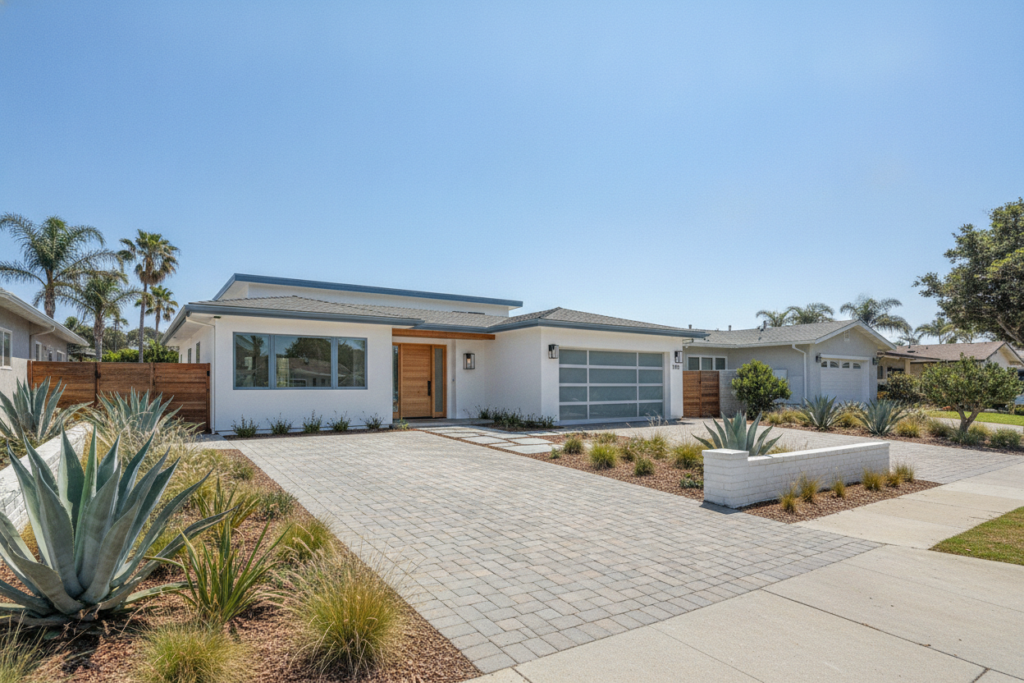
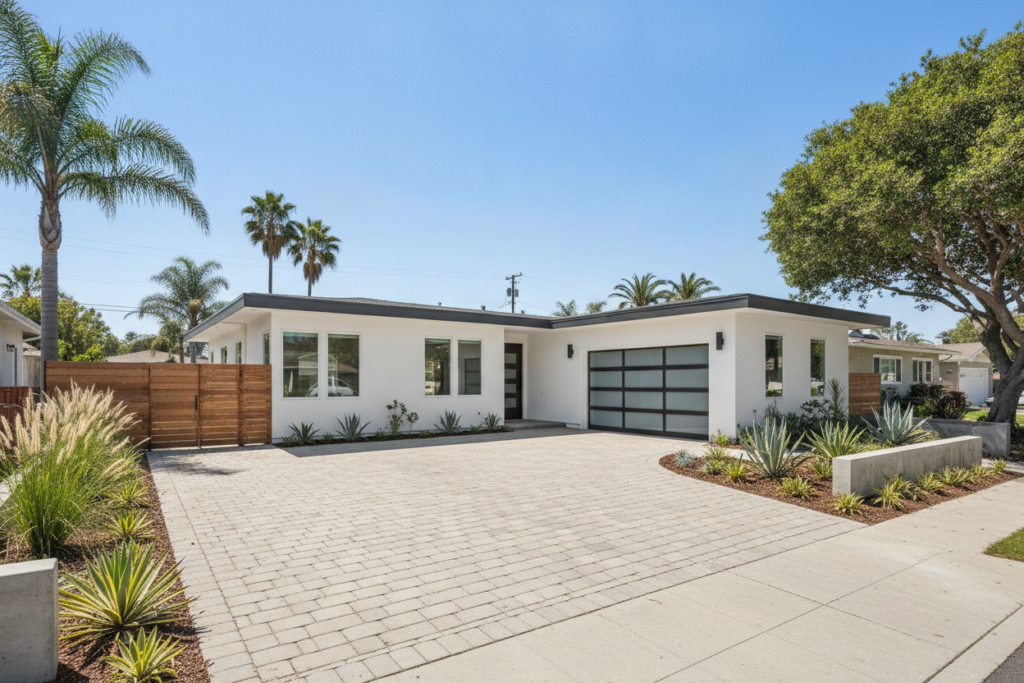
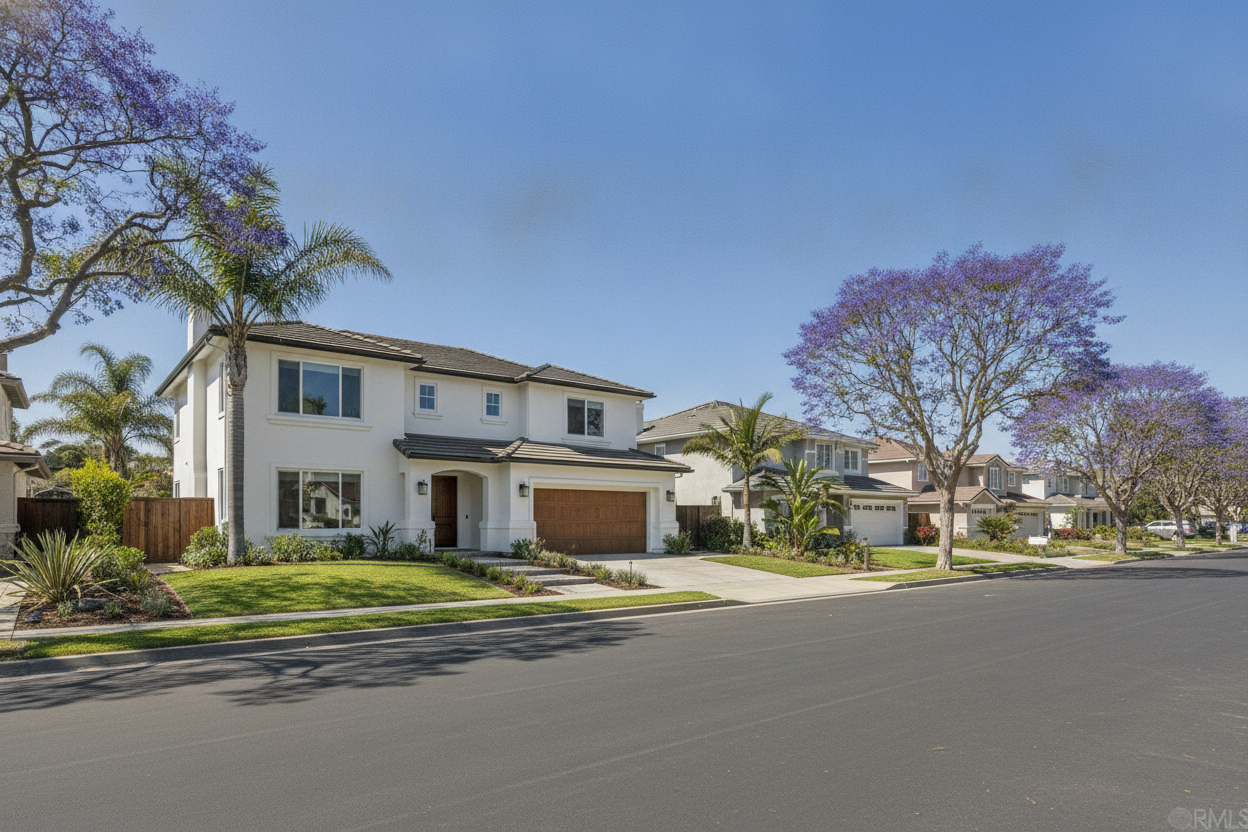
The price range you are weighing, roughly $1.2M to $3.5M, puts you squarely in detached single-family territory, from South Huntington Beach bungalows to Huntington Harbour waterfront homes. The structure you choose before you write an offer matters as much as the property itself.
Gantry Wilson has served Huntington Beach and Orange County since 2004 and has personally sold more than 300 homes here. This guide is built to help you make a confident decision within the next six months.
The real question: co-ownership or solo purchase
The first decision is not which property to buy. It is who holds title and how. Personal title, tenancy in common, joint tenancy, an LLC, or a revocable trust each carry different consequences for taxes, liability, refinancing, and what happens when one owner wants out.
Tenancy in common lets two or more people hold unequal shares. That matters when one family member contributes a larger down payment. Each owner can sell or bequeath their share independently, which creates flexibility but also risk if a co-owner’s circumstances change.
A revocable trust simplifies probate and keeps the transfer of ownership private. Many buyers in the $1.2M to $3.5M range use a trust for succession planning. The trust holds title, and the trustees manage the property according to the trust document.
An LLC adds a liability shield between the property and your personal assets. It also changes how lenders treat the loan.
Most conventional lenders will not lend to an LLC on a residential property, so financing typically requires personal title or a trust, with the LLC option reserved for cash purchases or commercial financing.
The right structure depends on your family’s goals, your estate plan, and your tax situation. Prop 19 and capital gains rules can affect how a transfer is treated when one co-owner exits or passes away. Confirm the specifics with your CPA or estate attorney before you choose a structure.
Whatever structure you choose, get it in writing before you open escrow. A co-ownership agreement is a private contract between the buyers. It does not replace the title document, but it governs everything the title document does not.
How to divide down payment, mortgage, and ongoing costs
The most common source of co-owner disputes is not the property. It is money that was never written down. Start with the down payment. If one party contributes 60 percent and the other 40 percent, document that split and decide whether it creates proportional ownership or is treated as a loan between co-owners.
At a 7.40% 30-year fixed rate (Freddie Mac, October 8, 2026), a $1.65M purchase with 20% down carries a principal and interest payment that your lender can calculate precisely for your loan structure. Split between co-owners according to your agreed shares, before taxes, insurance, and HOA if applicable.
Run your own numbers with your lender, but that is the order of magnitude.
Property tax in Huntington Beach runs about 1.25% of assessed value annually, the 1% base plus local add-ons. On a $1.65M purchase, that is roughly $20,600 per year, or about $1,720 per month. Mello-Roos communities carry a higher effective rate, so check the specific parcel before you close.
Maintenance reserves are easy to skip and expensive to ignore. A coastal property at this price point should carry a reserve of at least 1% of value per year, roughly $16,500 on a $1.65M home, set aside for roof, HVAC, plumbing, and exterior upkeep. Decide how that reserve is funded and held.
Write a shared accounting document that tracks every contribution: down payment, mortgage payments, tax payments, insurance premiums, HOA dues if any, utilities, and repairs. This record protects every co-owner at refinance time and at exit. A simple shared spreadsheet works. A dedicated property account works better.
Before you get deep into the property search, reading through the verification process for a coastal purchase is worth your time.
The article <a href=”https://blog.viewochouses.com/verify-before-buying-in-huntington-beach/”>Verify Before Buying in Huntington Beach: What It Takes in This Market</a> covers what buyers often miss before they commit.
| Scenario | Purchase price |
|---|---|
| South Huntington Beach detached | $1,591,000 |
| Huntington Beach citywide median | $1,649,500 |
| Huntington Harbour interior | $2,070,000 |
| Huntington Harbour waterfront | $4,000,000 |
"I am grateful for everything Gantry did for me in the sale of my house. He walked me through the process and helped me get top dollar. He was very quick to respond every time I had an issue or question. I appreciate his knowledge and professionalism. I would definitely recommend Gantry to anyone who is buying or selling a home."
Steven French
Rental rules and HOA restrictions in Huntington Beach
Co-ownership of a second home often comes with a plan to offset costs through rentals. Huntington Beach allows short-term rentals, but the rules vary by neighborhood and by whether the property has a homeowners association. Check the specific parcel’s zoning and any CC&Rs before you make an offer.
The good news for detached-home buyers is that 87% of Huntington Beach detached single-family homes carry no HOA (CRMLS, 2026-09-30). That means most detached properties have no HOA board to restrict short-term rental activity, guest policies, parking, or remodeling.
The city’s own rules still apply, so confirm the current short-term rental ordinance at <a href=”https://www.huntingtonbeachca.gov/”>huntingtonbeachca.gov</a>.
Huntington Harbour is a different picture. About 33% of Huntington Harbour detached homes carry an HOA, with a median fee of $337 per month (CRMLS, 2026-09-30). Some Harbour island communities have rules on boat slip use, dock access, and guest parking. Read the CC&Rs for any Harbour property before you commit.
Brightwater, on the Bolsa Chica bluff, has a higher HOA rate. About 75% of Brightwater detached homes carry an HOA, with a median fee of $413 per month (CRMLS, 2026-09-30). Confirm rental and remodeling rules in the CC&Rs before you close.
Short-term rental income can meaningfully offset carrying costs, but factor in vacancy, turnover, cleaning, and property management fees.
A realistic gross yield assumption for a coastal Huntington Beach home in the $1.5M to $2M range is easier to model after you have the actual CC&Rs and city permit requirements in hand.
If the property will sit vacant for stretches between visits, a long-term rental is simpler to manage and easier to insure. Decide the rental strategy before you buy, because it affects which properties make the short list.
Coastal insurance, flood zones, and hazard exposure
A coastal second home at this price point needs more insurance coverage than a standard inland purchase. Start with a flood zone determination. Huntington Beach has properties in FEMA-designated flood zones, particularly near the Harbour channels and low-lying coastal areas.
A flood zone report is a standard part of due diligence and should be ordered before you remove contingencies.
Standard homeowners insurance does not cover flood damage. If the property is in a flood zone, you will need a separate flood insurance policy. Even properties outside a designated flood zone can benefit from flood coverage given their proximity to the coast and tidal influence.
Coastal wind and storm coverage is sometimes excluded from standard policies or priced separately. Get an insurance quote specific to the property address before you close, not after. Premiums for a $2M to $4M coastal home can run significantly higher than inland equivalents.
For Huntington Harbour waterfront properties, the dock, seawall, and any boat slip add another layer of coverage questions. The article <a href=”https://blog.viewochouses.com/dock-slip-and-seawall-costs/”>Dock Slip and Seawall Costs: What to Ask Before You Buy Smart</a> covers what to inspect and what to budget.
Seawall repair costs can be substantial, and insurance may not cover deferred maintenance.
Earthquake insurance is a separate policy in California. It is not required, but a $3M to $4M coastal asset with co-owners is worth a conversation with your insurance broker about the cost and deductible structure.
The combined annual cost of homeowners, flood, and earthquake insurance on a Huntington Harbour waterfront home can easily reach $20,000 to $30,000 or more. Build that into your co-ownership expense model before you fall in love with a property.
"Gantry was so professional and helpful in dealing with an out of the country client. I live in Canada and so lucky to have found him. He helped me with everything I needed. I can’t say enough, with his ethics and experience things went so smoothly. Highly recommended!"
Hon P
Huntington Beach market timing: from offer to close
Detached homes in Huntington Beach spent a median of 19 days on market in the 90-day period ending September 30, 2026 (CRMLS). That is faster than the Orange County countywide expected market time of about 99 to 101 days reported in August 2026. The difference matters for your planning window.
Orange County active inventory stood at about 5,045 listings in late September 2026. That level of supply gives buyers more options than the tight market of 2021 and 2022, but well-priced detached homes in Huntington Beach still move.
Homes here sold at 98.5% of original list price over the same period, which means modest negotiating room, not deep discounts.
Escrow in Huntington Beach closes in about 30 days after acceptance when inspections, appraisals, and loan conditions move on schedule. From accepted offer to keys, budget 45 to 50 days total.
For a co-ownership purchase, add time upfront for the ownership structure decision and the co-ownership agreement, both of which should be done before you write an offer.
Huntington Harbour is within Huntington Beach city limits, and waterfront homes there move at a similar pace overall, with a median of 25 days on market over the 12 months ending September 30, 2026 (CRMLS). Brightwater homes averaged 37 days. Downtown Huntington Beach detached homes averaged 32 days.
The submarket you target affects how quickly you need to be ready to move.
For a 0 to 6 month decision window, the sequencing matters. Spend the first 30 to 60 days on structure, financing pre-approval, and the co-ownership agreement. Use the next 60 to 90 days on active property search and tours. Reserve the final 45 to 50 days for escrow.
Sold volume in Huntington Beach has been flat year over year. There were 637 detached closings in the first nine months of 2026, compared to 649 in the same period of 2025 and 603 in 2024 (CRMLS). A stable transaction volume means the market is not overheating, and it is not collapsing.
Exit and refinance rules: what happens if one owner wants out
The exit conversation is uncomfortable before you buy and very expensive if you skip it. Your co-ownership agreement should define exactly what happens when one party wants to sell their share, needs to refinance, or can no longer contribute to carrying costs.
A buyout clause is the most common solution. It gives the remaining co-owner the right to buy out the departing owner at fair market value, typically established by an independent appraisal. Set the appraisal process, the timeline, and the financing window in the agreement before you close.
Refinancing a co-owned property requires all owners on the loan to qualify. If one co-owner’s financial situation changes, that can block a refinance even if the other owner qualifies easily. An LLC structure avoids this in some cases, but creates its own financing constraints as noted earlier.
A forced-sale clause, sometimes called a partition right, is the backstop. If co-owners cannot agree on a buyout price or a refinance, any owner in California has the legal right to petition a court for a partition sale. That process is slow and costly.
A well-written co-ownership agreement with a clear dispute resolution process, such as binding arbitration, is far cheaper.
If the property is held in a trust, the trust document governs succession. When one trustee passes away, the trust can continue to hold the property without triggering a probate proceeding. That is one of the primary reasons buyers in this price range use a trust structure for a second home.
The article <a href=”https://blog.viewochouses.com/buying-before-my-out-of-state-home-sells/”>Buying Before My Out-of-State Home Sells: A Smart Orange County Plan</a> covers related timing and financing mechanics that apply when co-owners are coordinating across different financial situations.
The exit and refinance rules you write today protect every co-owner’s investment for the life of the property.
What to do next: a six-month action sequence
The first step is the ownership structure decision. Sit down with a CPA and an estate attorney before you tour a single property. Bring your family’s estate plan, your tax situation, and a clear picture of each co-owner’s financial contribution.
The structure conversation takes one or two meetings and saves years of potential conflict.
Step two is the co-ownership agreement. This is a private contract between the buyers. It covers down-payment contributions, mortgage and expense splits, a use calendar, rental policy, maintenance reserves, exit rights, buyout mechanics, and dispute resolution. An attorney drafts it.
Every co-owner signs it before escrow opens.
Step three is mortgage pre-approval. At 7.40% (Freddie Mac, October 8, 2026), lenders will look at each co-borrower’s debt-to-income ratio, credit profile, and reserves. A second-home loan typically requires 10% to 20% down and reserves of two to six months of payments.
Get pre-approved before you make an offer, not after.
Step four is the property search. Tour Huntington Beach and Huntington Harbour properties in your price range. Order a flood zone determination and a coastal hazard report on any property you are seriously considering. Get an insurance quote before you remove contingencies, not after.
Step five is the offer and escrow. With a 30-day escrow target, your inspections, appraisal, and loan conditions need to move quickly. Budget for a general inspection, a sewer scope, and a coastal-specific review of any dock, seawall, or drainage features.
Only about 10% of Huntington Beach homes carry an HOA, primarily condos and townhomes, so most detached properties you tour will have no HOA restrictions to review.
Step six is closing and setup. Once you hold title, open a dedicated property account for all shared expenses. Set up your accounting system, confirm your rental permits if applicable, and schedule a post-close insurance review.
A second home runs more smoothly when the financial infrastructure is in place from day one.
For second-home buyers
Does a Huntington Beach second home pencil for you?
One call covers both sides: the lifestyle you want and the numbers behind it, from property types to rules and carrying costs.
Book my second-home strategy call
Prefer to talk now? Call or text 714-500-7797 · Serving coastal Orange County since 2004
Questions clients ask about buying a second home with family
Should we hold the second home in an LLC, a trust, or as joint tenants?
Each structure has different trade-offs. An LLC offers liability protection and operational flexibility, but most residential lenders will not lend to an LLC, so financing usually requires personal title or a trust. A revocable trust simplifies probate and succession without blocking conventional financing. Joint tenancy is simple but creates a forced-sale risk if one owner dies or wants out. The right answer depends on your estate plan, your tax situation, and how you plan to finance the purchase. Confirm the specifics with a CPA and an estate attorney before you choose.
Can we rent out the Huntington Beach second home short-term to cover the mortgage?
Huntington Beach allows short-term rentals, but the rules vary by neighborhood and by whether the property has an HOA. The good news is that 87% of Huntington Beach detached single-family homes carry no HOA (CRMLS, 2026-09-30), so most detached properties have no HOA board restricting rental activity. The city’s own short-term rental ordinance still applies. Check the specific property’s zoning and any CC&Rs before you buy. Short-term rental income can offset carrying costs, but factor in vacancy, turnover, cleaning, and property management fees when you model the numbers.
How do we split the down payment and monthly costs fairly?
Write it down before you close. Agree on each co-owner’s down-payment contribution and decide whether unequal contributions create proportional ownership or are treated as a loan between parties. Then document the monthly split for the mortgage, property tax, insurance, HOA dues if any, utilities, and maintenance reserves. Track every contribution in a shared accounting system, ideally a dedicated property bank account. This record protects every co-owner at refinance time and at exit. Disputes almost always trace back to money that was never formally agreed upon in writing.
What if one family member wants to sell and the others do not?
Your co-ownership agreement should define the exit path before this situation arises. A buyout clause gives the remaining co-owner the right to purchase the departing owner’s share at fair market value, established by an independent appraisal. Set the timeline and financing window in the agreement. Without a written exit process, any co-owner in California has the legal right to petition a court for a partition sale, which is slow and costly. Decide the exit rules before you buy, when everyone is aligned, not after a disagreement has already started.
How long does it take to close on a Huntington Beach home?
Detached homes in Huntington Beach spent a median of 19 days on market in the 90-day period ending September 30, 2026 (CRMLS). Escrow closes in about 30 days after acceptance when inspections, appraisals, and loan conditions move on schedule. From accepted offer to keys, budget 45 to 50 days. For a co-ownership purchase, add time upfront for the ownership structure decision and the co-ownership agreement. Both should be completed before you write an offer, so your 0 to 6 month window is realistic if you start the structure conversation now.
Do we need special insurance for a coastal second home?
Yes. Huntington Beach is a coastal city, and standard homeowners insurance does not cover flood damage. If the property is in a FEMA-designated flood zone, a separate flood insurance policy is required. Even properties outside a designated flood zone benefit from flood coverage given coastal proximity. Coastal wind and storm coverage may be excluded from standard policies or priced separately. For Huntington Harbour waterfront properties, dock and seawall coverage adds another layer. Get a property-specific insurance quote before you remove contingencies. Budget for premiums that run meaningfully higher than inland equivalents at this price point.
What to do right now
The decision to buy a second home with family in Huntington Beach is worth making carefully and moving on confidently. The market is stable, detached homes are moving in about 19 days, and escrow closes in roughly 30 days once you are under contract. The structure work, the co-ownership agreement, the pre-approval, and the insurance review are all front-loaded tasks that protect every dollar you put in. Gantry Wilson has served Huntington Beach and Orange County since 2004. If you are weighing a second home here, book a call at https://gantry.me/TalkToGantry and walk the lifestyle and the numbers together. Want this kind of read on your part of the market every week? Get the weekly Market Update here: https://blog.viewochouses.com/market-update/
The next step
Ready to talk through your Huntington Beach move?
Tell me where you are in the process and I will map out your options, your numbers, and your timing. 15 minutes, zero pressure.
Schedule my free 15 minute call
Prefer to talk now? Call or text 714-500-7797 · Serving coastal Orange County since 2004
Know what Huntington Beach homes are really selling for
One short email each week: new listings, closed sales, and where prices are heading. Free, and easy to leave anytime.
Gantry Wilson · Gantry Wilson Group · Real Brokerage · Huntington Beach, CA · DRE# 01412779
Trusted. Local. Proven.